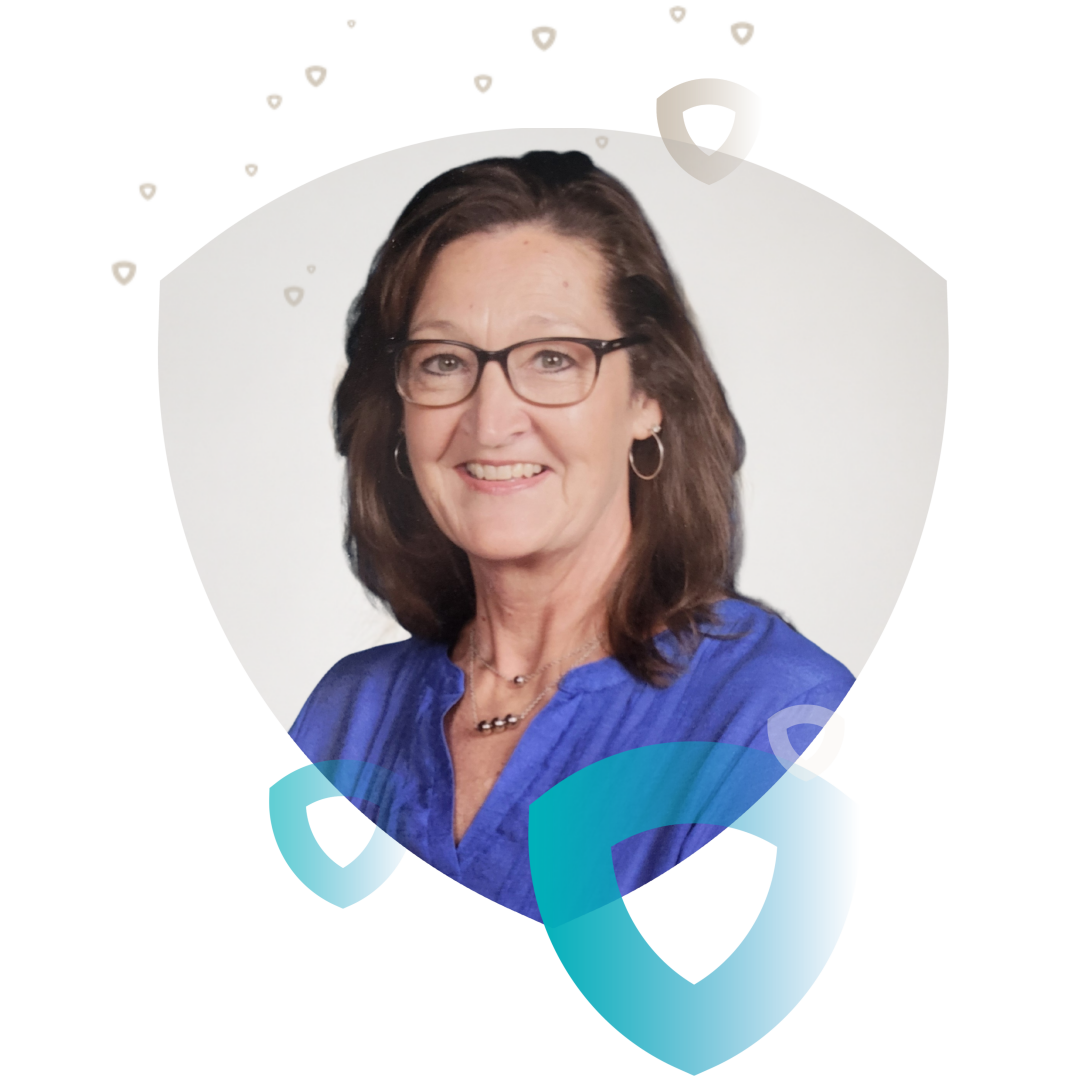
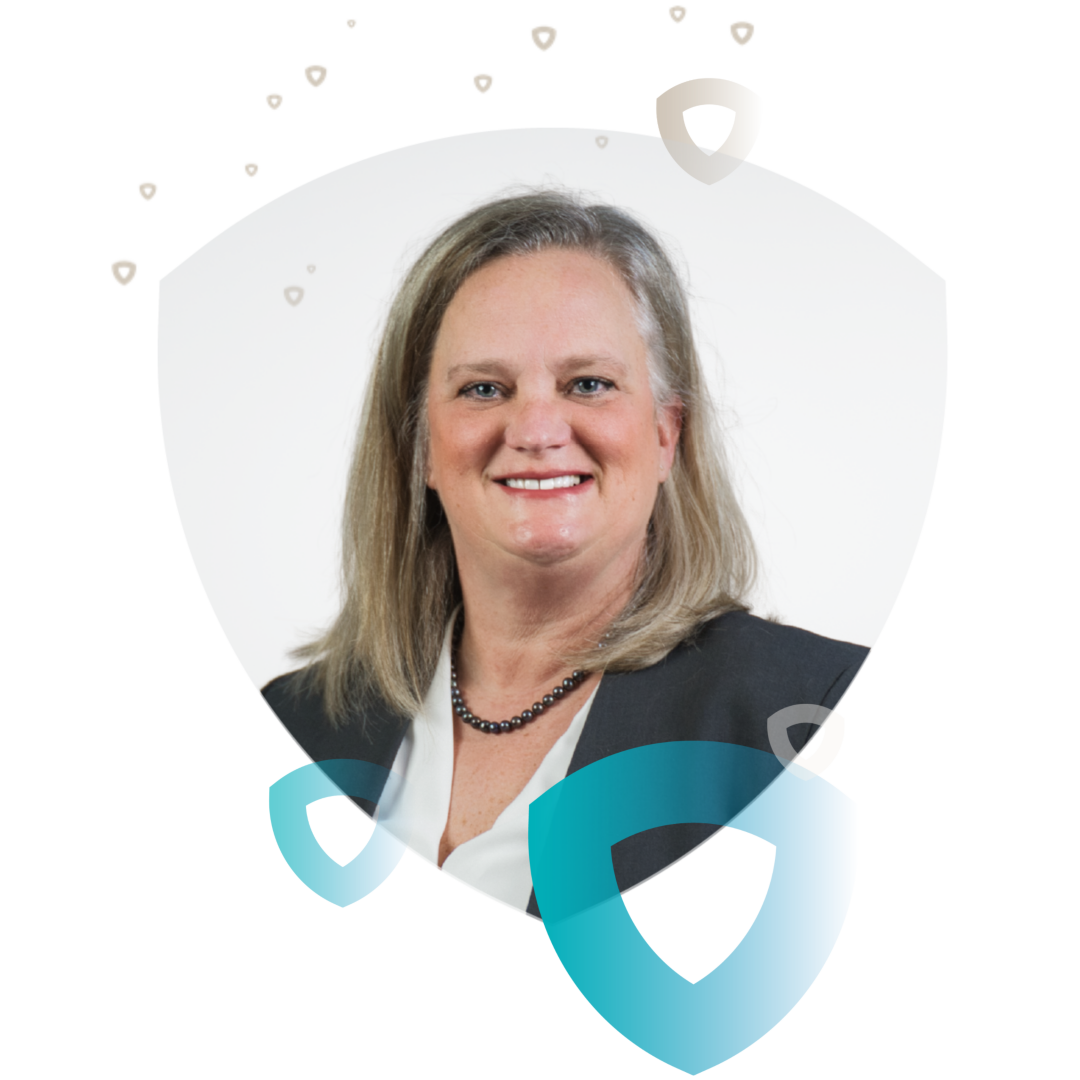
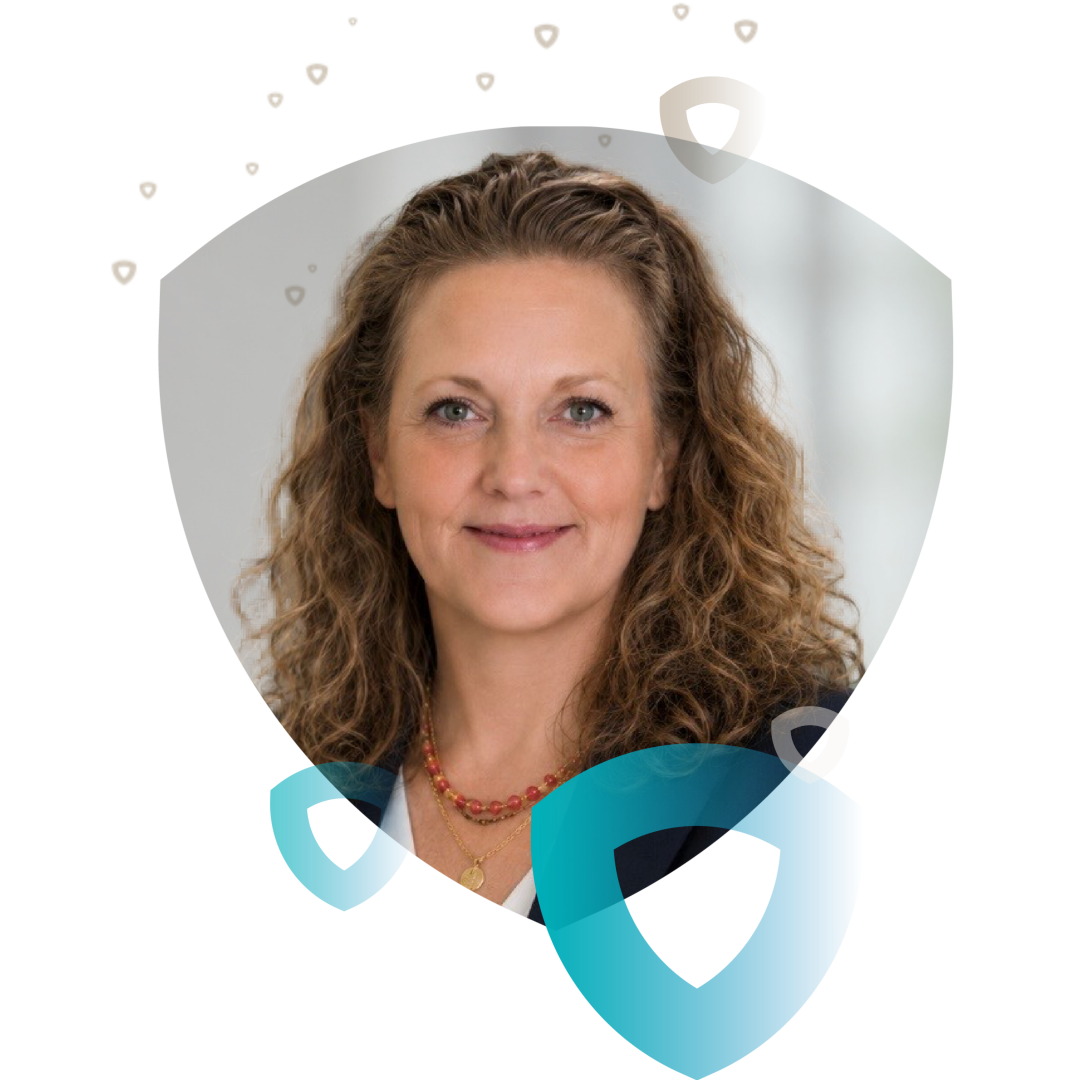
Celebrating Nurse Appreciation Week

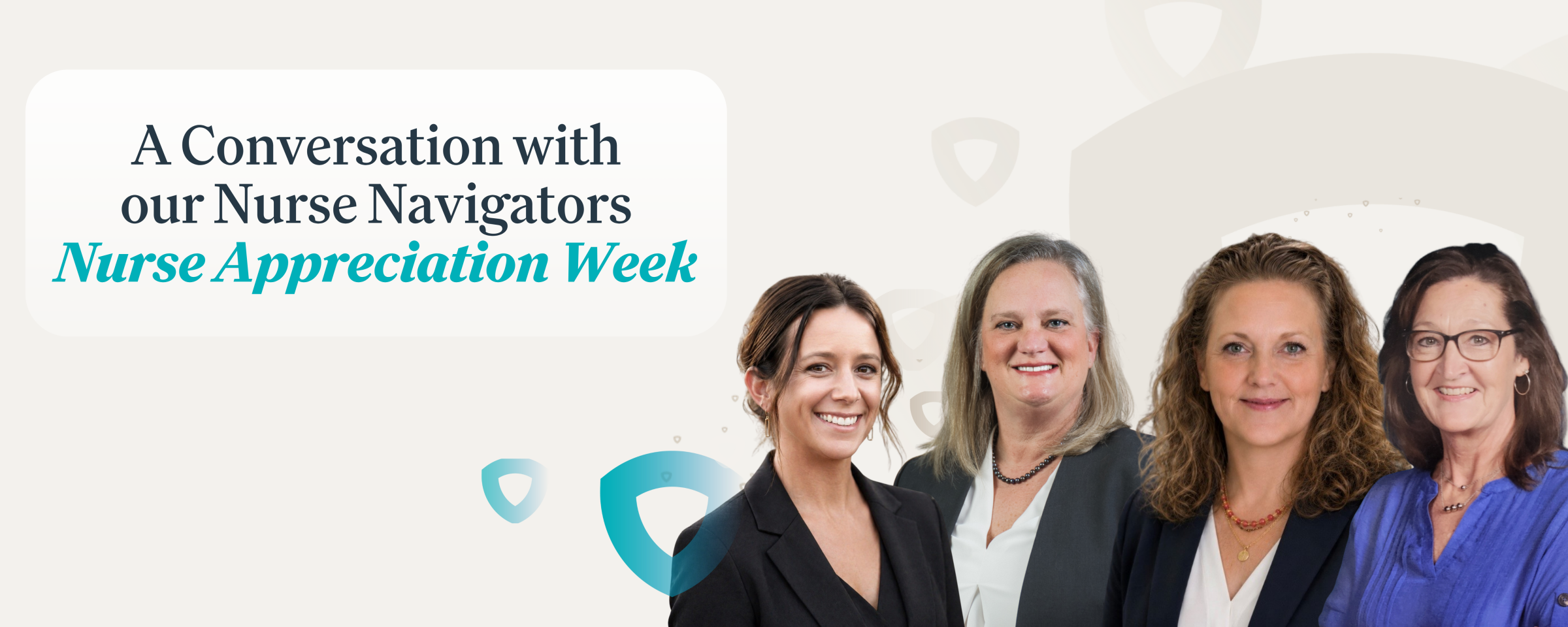
This Nurse Appreciation Week, we are recognizing the nurses who help patients navigate some of the most complex moments in health care with clarity, coordination, and compassion. Their work reflects what it means to take ownership of outcomes and act in the best interest of patients every day.

Throughout this feature, you will hear directly from our Nurse Navigator team as they share how proactive communication, follow-through, and human connection help patients feel supported, informed, and confident in their care.

Because better health care experiences do not happen by accident. They happen because someone is there to guide the way.

Nurse Navigator Manager

Tana Scott, RN, BSN

Can you describe a moment where you helped a patient navigate something complex or confusing? 
Being a liaison between the patient, infusion provider, and the medical insurance when the patient has received a bill they should not have received. We often act an as advocate to resolve these issues.

When a patient is unsure what to do next, how do you step in to keep things moving?  
This is accomplished by open, and clear communication with all parties involved. Lots of phone calls, staying on top of deliveries, rejected claims, etc.

What does removing barriers’ look like in your day-to-day work? Removing barriers to patient care is our main focus of work in True Codes. The navigation process for infusions, especially when a site of care change is required, can be overwhelming for patients and providers. We try to eliminate as much work for them as possible through our proactive care coordination.

Senior Nurse Navigator

Anna Olsen-Kroeger, RN, BSN

What does taking ownership of a patient’s situation mean to you?
Being the point of contact for a patient means not only does that patient have an assigned Nurse Navigator who understands and works with the patient from the beginning. It also means everything dealing with that patient. The ordering doctor’s office, infusion centers, etc all have one point of contact, and we all work together in the care and treatment our our True Rx specialty patients.

Can you share a time you had to step in to prevent something from falling through the cracks? 
We often call patients or ordering doctor’s offices if we see an issue with no claims, or updated labs needed or are proactive in getting updated PAs so no disruption happens. We work in PREVENTING issues instead of waiting for issues to happen.

We aren’t just assigned to a patient for the initial set up. We stay with the patient so any needed information etc the ordering doctor’s office needs or infusion center, we still remain the direct contact for that patient. All aspects of that patient’s care regarding their specialty infusions will start with an assigned nurse and remain with that nurse.

When something isn’t going as planned, how do you get things back on track? 
Direct communication! We always strive to have a point of contact with each entity we work with. For example, name of nurse and direct contact information at the infusion centers and ordering doctor’s office so if we need anything or there is anything needed we have developed a working relationship and can quickly get answers.

How do you make sure patients don’t get lost in the system? 
We have weekly reviews of all our active patients and new referrals. If one nurse has any concerns or needs feedback, we all work as a team help or give our insights and quite often will share contacts with each other or personnel that have been helpful in the past to assist with any inquiries/​issues we have had.

What impact does that level of ownership have on a patient’s outcome?By having a direct contact every aspect of the patients care has a direct line access to assistance. For example, if a patient or infusion center has an issue or question with medication delivery they can call us and we know exactly what is going on, we have direct contacts to call and get needed information etc so no disruption of care happens just for communication issues” or inability to confirm needed information.
Nurse Navigator

Ashlee Miller, RN, BSN

How do you work with providers to ensure the right care plan?
I collaborate with providers by sharing patient insights and plan design, clarifying next steps, and removing barriers, so the care plan is clear, coordinated, and truly centered on the patient.

How does your guidance change the outcome for patients?
I help patients move from uncertainty to clarity regarding their pharmacy insurance. By removing barriers, coordinating care, and offering steady guidance, I make the path forward feel manageable and that confidence can change everything.


Nurse Navigator

Erika Marino, RN, BSN

What does it mean for a patient to feel truly supported?
A patient feels truly supported when they know they’re heard, respected, and not alone in navigating their care. It means having someone who listens without judgment and helps them understand their options clearly. Support is both emotional and practical — being present while also helping remove barriers.

How do you help reduce stress or uncertainty for patients?
I help reduce stress by breaking complex information into clear, manageable steps and checking for understanding along the way. I also make sure patients know what to expect next so there are fewer unknowns. Being consistently available for questions helps build a sense of stability and reassurance.

What’s a small moment that made a big difference for a patient?
Sometimes it’s as simple as taking an extra few minutes to listen to a patient’s concerns without rushing. I’ve seen patients visibly relax when they feel genuinely heard and understood. Those moments build trust and can change how confident they feel moving forward with their care.

How does trust impact a patient’s ability to follow through with care?
Trust is the foundation for follow-through — when patients trust their care team, they’re more likely to ask questions, share concerns, and stay engaged in their plan. It helps them feel confident that the recommendations are in their best interest. Without trust, even the best care plan can feel overwhelming or uncertain.

What changes when a patient feels confident in their care plan?
When patients feel confident in their care plan, they become more engaged and proactive in their health. They’re more likely to follow through with appointments, medications, and next steps. Confidence turns uncertainty into a sense of control and empowerment.
 

Industry Insights

Deepen your knowledge of benefit strategies and trends with our webinars, blogs, case studies, and other resources.